
Initiative Overview
Pathway Priority Areas
The initiative’s theory of change prioritized
- pathways alignment and rigor;
- real world work experiences;
- seamless transitions to postsecondary; and
- closing equity gaps.
Metro-area Focus
NSrn provided grant funds to multi-sector teams from six metropolitan regions to advance regional priorities aligned with the NSrn theory of change. To support their work, the sites attended biannual convenings, participated in technical assistance activities, and received customized coaching support throughout the five-year initiative.
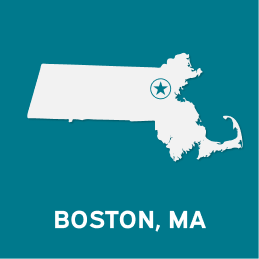





In each site, multi-sector teams—comprised of leaders from school districts, higher education institutions, employers, community-based organizations, and state agencies—designed and implemented changes to their pathway systems in the initiative’s four priority areas. The following strategies emerged as positive drivers of change across the six sites.
Collective Impact, a framework for collaborative efforts to achieve system change, influenced the initiative design and site activities. Team members emphasized the following framework conditions when describing their work:
- Leveraging backbone support: Each NSrn site team was led by an intermediary organization that convened key partners, provided stable leadership, and held team members accountable for commitments.
- Developing a data culture: Team members noted how interest in and use of data changed among their colleagues through the initiative, including accessing new data sources and data sharing across education levels.
- Implementing a common agenda: Teams set their own priorities early in the initiative that reflected their different starting points in pathway system development.
Sites’ school districts had pathway programs at the start of NSrn, but team members described the programs as unevenly available and disconnected across schools and education levels.
Accordingly, team members described their efforts to inventory, document, and assess existing programs as a key step in envisioning pathway systems offering consistent services to all students.
Pathway system maps and assessments aided the development of new career pathways in emergent fields and processes to encourage the review and updating of existing programs.
In developing complex career pathways systems, sites recognized a common need to strengthen advising given the growing number of options available to high school students.
Advising strategies included developing and implementing advising frameworks, building the capacity of advising staff through trainings, and connecting advisors across education levels.
To support students’ transitions across education levels, postsecondary partners instituted automatic admission policies and enhanced student supports.
By design, NSrn focused on urban school districts that disproportionately serve students from families and neighborhoods with less access to educational and economic resources.
NSrn site teams also identified and addressed barriers to pathways entry, such as by implementing a lottery for admission to career and technical education programs or expanding pathway options through dual credit.
Additionally, sites used multiple strategies to collect students’ voices and perspectives. Student input informed pathway design, advising strategies, and improvements to postsecondary education transition supports.
The NSrn site teams built reciprocal relationships with state agencies, in some cases including state administrators on their NSrn site teams.
Some districts and postsecondary institutions accelerated the adoption of state pathway policies by providing examples and demonstrating implementation strategies that other locations could then follow.
In others, NSrn provided the resources and support needed by the sites to experiment and pilot pathway innovations later adopted by other regions in the state or considered for adoption statewide.
Over the five years of the initiative, the sites collectively offered more high-quality and fewer low quality career pathways (as defined by each site), built stronger cross-sector partnerships, and enacted new institutional, local, and state policies. These metrics provide a partial accounting of systems change under the initiative; the sites also achieved changes in areas such as postsecondary transitions and advising that are challenging to quantify.
Over the five years of the initiative, sites developed criteria for identifying high quality career pathways and tracked student participation and completion in pathways at the secondary and postsecondary levels.
Overall, pathway participation and completion increased, as did students’ earning of industry credentials and early postsecondary credit and participation in work-based learning. However, some sites reported declines in these indicators. In interviews, sites attributed declines to changes in data reporting or policies and the complexity of building programs and systems that require consistent inputs with employers and other organizations unused to working with K-12 education.